
Packing fragile items for a move can feel challenging, especially when relocating to the busy Bay Area. Learning how to pack fragile items ensures every delicate possession arrives safely. From glassware to heirloom plates, proper materials and techniques prevent damage. Using the right combination of bubble wrap, packing paper, and dish pack boxes can transform this daunting task into a smooth process. Each material has a unique purpose, providing cushioning and stability. With these strategies, your fragile items are protected throughout the move. Consider exploring our main moving services to complement your packing efforts.
Selecting the Right Packing Materials
Choose sturdy corrugated boxes and heavy-duty dish pack boxes designed for fragile glassware. Stock bubble wrap, packing paper, and foam peanuts for cushioning. Use premium packing tape to seal seams and reinforce box bottoms. Consider double-boxing extremely valuable items for extra security. Assemble a toolkit with scissors, markers, and protective sleeves for artwork. Preparing all supplies in advance streamlines packing and reduces stress. For expert support, check packing and unpacking services.
Understanding the Differences Between Bubble Wrap and Packing Paper
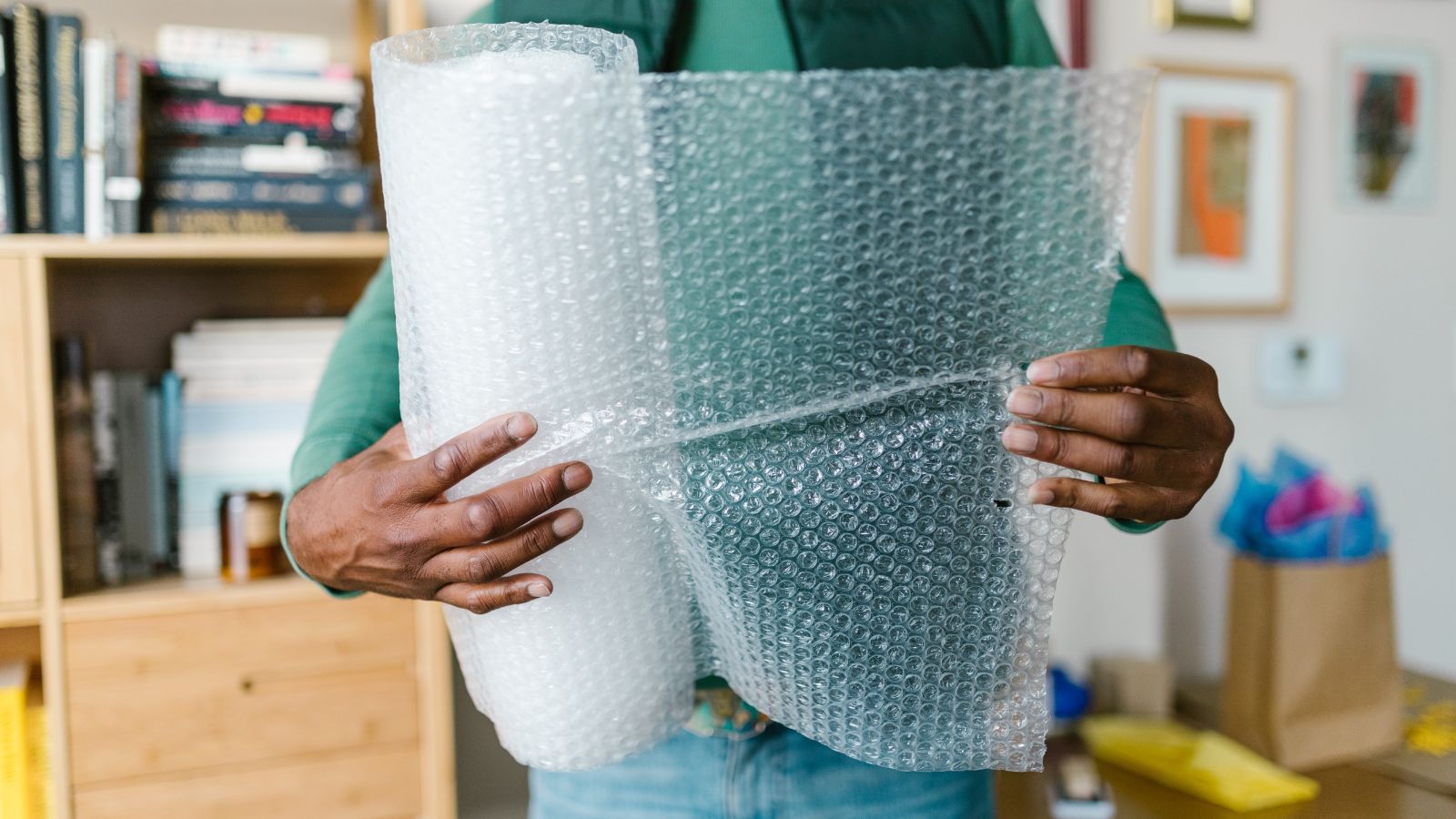
Bubble wrap provides superior cushioning for glassware and electronics. Always face the bubbles inward for maximum protection. Packing paper fills voids and prevents items from shifting. Less delicate items can be wrapped with paper instead of bubble wrap. Combining both materials enhances security for extremely fragile items. Label boxes clearly with “Fragile” stickers to alert movers. Consider using diagrams for added clarity. Understanding how to pack fragile items properly prevents damage and stress during transit.
Utilizing Dish Pack Boxes for Added Protection
Dish pack boxes prevent fragile items from touching each other, reducing breakage risk. Pad each slot with bubble wrap or paper for extra cushioning. Place heavier pieces at the bottom and lighter items on top. Double-box high-value dishes for additional security. Label sections with colored stickers or diagrams for organization. Even on steep Bay Area streets, these techniques protect your possessions. Combining careful packing with storage options ensures flexibility during the move.
Organizing Fragile Items by Size and Shape
Sort fragile items by size and shape for efficient packing. Group small items in smaller boxes and larger items in appropriately sized cartons. Pad generously to fill gaps and reduce collision risk. Use clear bins for oddly shaped pieces. Place heavier items at the bottom, lighter ones on top. Maintain an inventory list to track contents. Systematic organization makes unpacking easier and safer. Following these steps demonstrates proper how to pack fragile items techniques.
Wrapping Fragile Items Securely
Lay packing paper or bubble wrap flat before wrapping. Position the item centrally, folding around the smallest dimension. Add extra layers for stems or handles. Seal with low-tack tape to avoid residue. Bundle similar items together for added security. Cushion box bottoms with padding, and fill gaps with foam or paper. This multi-layer approach ensures fragile items arrive intact. Implementing these methods shows mastery in how to pack fragile items effectively.
Securing Fragile Items Inside Moving Boxes
Layer box bottoms with 2–3 inches of protective material. Minimize contact between items to prevent damage. Use vertical packing for plates and framed glass. Nest bowls with padding between each layer. Fill gaps with loose material, shake gently to check stability. Seal boxes with heavy-duty tape and label “Fragile.” Proper placement combined with wrapping ensures safe transit. These strategies are key for learning how to pack fragile items.
Labeling Fragile Items Appropriately
Use large “Fragile” stickers and arrows for upright orientation. Number sections or create diagrams for dish pack boxes. Keep a master inventory digitally and printed. Communicate to movers which boxes require extra care. Clear labeling minimizes errors and prevents shifting. These steps highlight advanced techniques for how to pack fragile items effectively during a move.
Packing Fragile Items in a Structured Manner
Set up a dedicated packing station with a sturdy surface. Pack in small batches of five to seven items for focus. Move sealed boxes to a staging area to prevent accidents. Allocate time strategically, packing delicate items first. Label boxes by room to simplify unloading. This structured approach ensures efficiency and demonstrates professional how to pack fragile items strategies.
Ensuring Proper Handling During the Move
Communicate with movers about fragile boxes and lifting instructions. Use straps or hand trucks for heavy items. Place fragile boxes on top of heavier ones in the truck. Secure stacks with cords or bungee straps. Check periodically to prevent shifting. Combining careful packing with vigilant handling reduces risk. For additional guidance, contact our team for expert moving tips.
Frequently Asked Questions
What are the essential packing materials recommended for moving fragile items to the Bay Area?
Sturdy cardboard, dish pack boxes, bubble wrap, packing paper, foam peanuts, strong tape, and a toolkit with scissors and markers protect delicate items effectively.
How do bubble wrap and packing paper differ in terms of protecting fragile items during a move?
Bubble wrap provides superior cushioning for delicate items, while packing paper is eco-friendly and fills gaps. Combining both can secure extremely fragile items better.
Why are dish pack boxes particularly useful for transporting delicate glassware and plates?
Dish pack boxes feature dividers, preventing items from touching. Padding each slot ensures that fragile items like glassware and plates are protected.
How should fragile items be organized by size and shape to ensure safe packing and transportation?
Sort items by size and shape. Group small items in smaller boxes, pad generously, and use clear bins for oddly shaped items to reduce collision risk.
What labeling and identification strategies can be employed to indicate fragile items and facilitate proper handling during the move?
Use “Fragile” stickers, numbering, diagrams, and a master inventory. Clear labeling ensures movers handle fragile items carefully throughout the move.
Safely Transporting Your Fragile Items to the Bay Area
Maintain upright boxes, use waterproof coverings if necessary, and avoid abrupt stops. Drive carefully and plan routes to minimize vibrations. Unload fragile items first, placing them in designated rooms. These precautions guarantee that your fragile possessions arrive safely. Following expert guidance ensures mastery of how to pack fragile items throughout the move.