
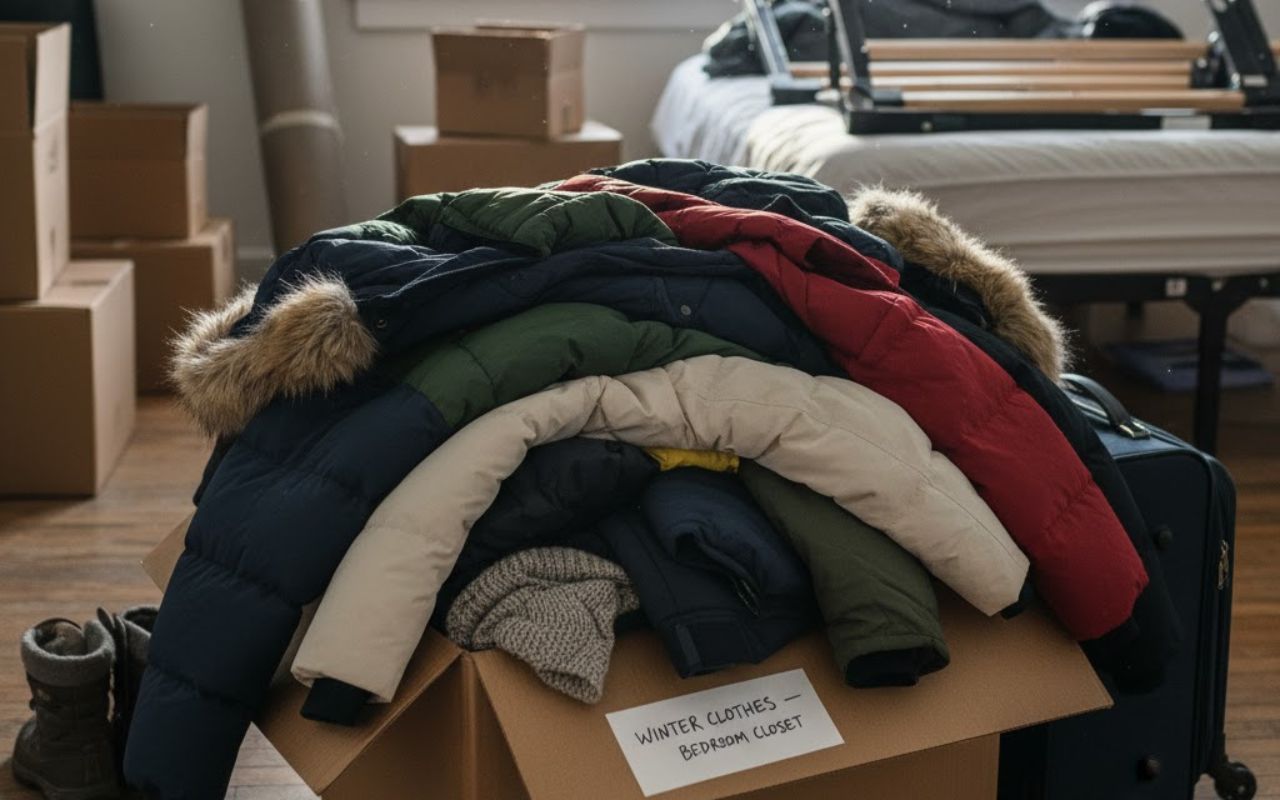
Packing Winter Clothes for Moving can feel overwhelming when you face heavy coats, tall boots, and delicate knitwear. However, it does not need to be stressful. With a clear plan, you can protect each piece and arrive at your new home with everything looking fresh.
When Packing Winter Clothes for Moving, think about the right tools and simple steps. Winter clothes are an investment in warmth and style. Therefore, using careful methods helps you avoid deep creases, damage, and bad smells. With the tips below, your favorite items stay safe during the entire move.
Packing Winter Clothes for Moving: Selecting the Right Packing Materials
Choosing quality packing supplies is the first step to protect your winter wardrobe. Medium boxes are very helpful because they are easier to lift and stack. They can hold coats, boots, and folded knits without becoming too heavy or breaking during the move.
- Medium boxes or plastic containers with strong sides
- Vacuum bags for bulky, sturdy items
- Acid-free tissue paper for wool and cashmere
- Strong packing tape and clear labels
Use vacuum bags mainly for tough pieces like down jackets, and avoid them for delicate fibers. Additionally, line special items with acid-free tissue paper to reduce friction and creasing. Clear labels on every box save time later. You can also explore trusted moving and packing services if you want expert help with supplies and packing.
Organizing Winter Coats for Packing
Sorting coats before you pack makes the process faster and easier. Start by grouping similar pieces together. Place wool coats in one pile, down jackets in another, and raincoats in a separate group. This way, you always know where each type of coat is stored.
Before you box anything, check each coat for stains, spots, or odors. Add anything that needs care to your laundry checklist. Then, place coats on hangers and cover them with dry cleaner bags for dust protection. If you fold coats into medium boxes, bend them along natural seams and keep lighter coats on top.
Packing Strategies for Boots
Boots can be bulky and awkward, so a simple plan helps a lot. First, pick medium boxes that match the height of your boots. This keeps them snug and prevents bending. Wrap each pair in paper or place them in shoe bags to avoid scuffs.
- Stuff boots with rolled-up socks, scarves, or small knit hats to hold their shape.
- Place boots upright inside the box to prevent creases at the ankle.
- Line the bottom with crumpled paper or thin bubble wrap for cushioning.
- Fill empty gaps with tissue paper so boots do not shift.
Finally, label the box clearly as “Boots” so you can find them quickly in your new home. This small step saves time when you need sturdy shoes for cold or wet weather during unpacking.
Safely Packing Delicate Knitwear
Delicate knitwear needs gentle handling so it does not stretch or snag. Lay each sweater flat, fold the sleeves across the front, and then fold the body in half. Place a sheet of acid-free tissue paper between layers to reduce friction and keep the fabric soft.
Avoid hanging knits, because hangers can pull the fabric and change the shape. Instead, place knits in medium boxes lined with cotton sheets or breathable garment bags. Do not rely on vacuum bags for these pieces. The strong compression can crush fibers in wool or cashmere and cause long-lasting creases.
Utilizing Vacuum Bags vs. Medium Boxes
A smart plan for Packing Winter Clothes for Moving balances space saving with fabric care. Vacuum bags are excellent for thick, durable items such as puffer coats or heavy down jackets. They save space and keep out dust, insects, and moisture.
However, over-compression can weaken delicate fibers and flatten soft knitwear. Therefore, use vacuum bags only for sturdy items that can bounce back. Rely on medium boxes for wool coats, boots, and fine knits. You can even place sealed vacuum bags inside medium boxes to add extra protection and make boxes easier to carry.
Moisture Control Methods: Cedar vs. Mothballs
Moisture control is vital when you move winter clothing. Cedar offers a natural way to manage moisture and pests without harsh smells. Cedar blocks, chips, or sachets give off a light wood scent that discourages moths and helps keep boxes dry.
Using Cedar for Gentle Moisture Control
Place small cedar pieces at the bottom of each box, inside garment bags, or in corners near knitwear. Over time, the scent fades, so refresh or lightly sand blocks when needed. Cedar is gentle on fabrics and feels more pleasant in your home.
Understanding Mothballs and Their Limits
Mothballs can also keep pests away, but they have a strong chemical smell. Use them only in sealed containers, and keep them separate from clothing when possible. In the debate of cedar vs mothballs, cedar is usually kinder to both garments and indoor air. Always allow boxes to air out well after unpacking.
Preparing a Laundry Checklist
Creating a simple laundry checklist ensures every item is clean before you pack. Clean clothes are less likely to develop yellow marks, odors, or set-in stains while stored or in transit. Moreover, you feel ready to use your winter wardrobe right after the move.
- List items that need stain treatment, such as cuffs or collars.
- Note which pieces need gentle wash cycles or dry cleaning.
- Write drying instructions, like air-dry flat for wool coats.
- Include steps for down jackets, such as drying with clean tennis balls.
- Mark the date when each load is washed and fully dried.
As you follow the laundry checklist, tick off each step. Then, label packed boxes with the date so you know everything inside is freshly cleaned and ready to wear in your new home.
Securing Fragile Items During Transit
Most winter clothes are sturdy, yet some details need extra care. Fur trim, shiny buttons, or decorative buckles can break or scratch other items. Wrap these details in soft tissue paper and place them in small, clearly labeled pouches inside your boxes.
For extra safety, cushion the area around these pouches with bubble wrap or foam sheets. If you use vacuum bags, keep fragile details away from sharp edges or zippers. Finally, mark those boxes with “Fragile” or “Handle with Care” so movers treat them gently.
Unpacking and Storing Winter Clothing in the New Home
Because you planned Packing Winter Clothes for Moving carefully, unpacking can be smooth and quick. Once you arrive, give boxes a little time to adjust to the new room temperature. This helps prevent condensation from forming inside bags or boxes.
Next, open boxes and let coats, boots, and knits breathe. Hang coats on sturdy hangers, arrange boots on a shoe rack, and fold knitwear neatly on shelves. Add cedar sachets or other moisture control packs in drawers and storage bins. If any item looks wrinkled or musty, check your laundry checklist and refresh it with a quick wash or steam.
Frequently Asked Questions
Should I wash all winter clothes before packing?
Yes, wash or dry clean winter clothes before packing whenever possible. Clean items are less likely to develop stains, odors, or fabric damage during the move or in long-term storage.
Can I use vacuum bags for every type of winter clothing?
No, avoid vacuum bags for delicate knitwear, wool coats, and items with fragile details. Use them mainly for sturdy down jackets and thick outerwear that can handle strong compression.
How many medium boxes do I need for winter clothing?
The number depends on how many coats, boots, and sweaters you own. However, using several medium boxes instead of a few large boxes keeps weight manageable and protects fabrics.
What is the safest way to handle cedar vs mothballs?
Cedar is usually safer and nicer to smell. Use cedar blocks or sachets inside boxes. If you use mothballs, keep them in sealed containers, away from direct contact with clothes, and air garments well later.
When should I ask professionals to help with packing?
If you feel unsure about protecting valuable winter pieces, consider getting support from professional moving and packing services. They can provide proper materials and secure packing methods for your wardrobe.
Ensuring Longevity of Your Winter Wardrobe
Packing Winter Clothes for Moving with care protects your coats, boots, and knits for many winters to come. Using medium boxes, targeted vacuum bags, and smart moisture control keeps your items safe from crushing, dampness, and pests.
Moreover, a clear laundry checklist and good labeling make unpacking faster and easier. If you still have questions about preparing for a move, you can reach out through the contact page for friendly guidance. With thoughtful planning, your winter wardrobe will arrive fresh, organized, and ready for cold days ahead.