
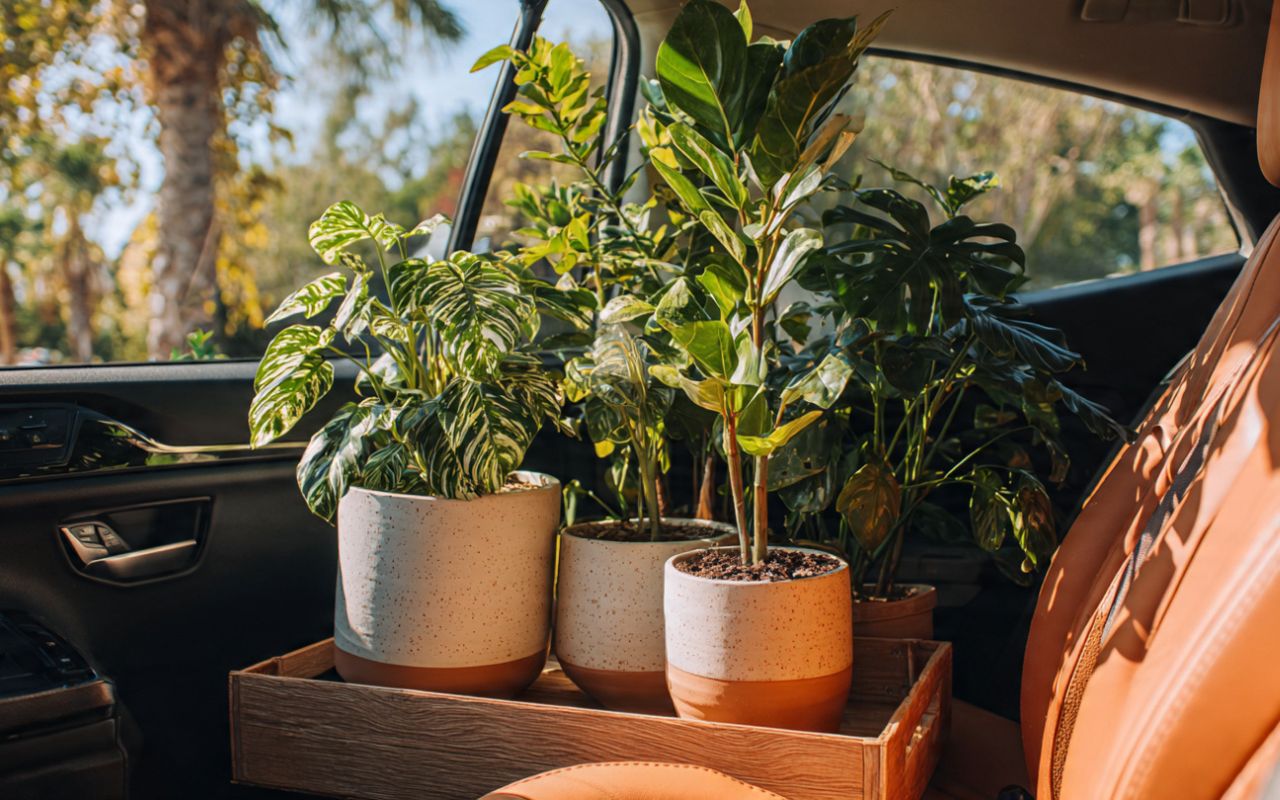
Moving houseplants within California can look simple. However, it often feels tricky in real life. Your plants have different needs, and travel can stress them. This guide on How to move houseplants in California helps protect leaves and blooms. It covers moisture control, pot wrapping, vehicle placement, and acclimation.
First, manage water so soil is not too wet or too dry. Next, wrap pots to reduce bumps. Then, load plants so they stay steady. Finally, help them adjust at your new home. With help from White Red Moving & Storage, you can move plants with more comfort and less worry.
Check Moisture Before Packing
Before you pack, review each plant’s water needs. Some plants like damp soil, while others need time to dry. To start, touch the top inch of soil. If it feels dry, give a small drink one or two days before travel. That way, moisture control stays steady.
- Use your finger to check soil depth to your second knuckle.
- If soil feels too wet, let it drain and blot the top lightly.
- If soil feels very dry, water slowly to prevent runoff.
Because spills can happen, stable moisture control matters during a move. Also, it can reduce stress on roots. If you want a full packing plan, see packing and unpacking from White Red Moving & Storage.
Protect Pots with Simple Wrapping
Pot wrapping helps protect pots and keeps your car cleaner. First, place bubble wrap or thick paper around each pot. Then, use tape lightly on the wrap, not the pot. This helps avoid marks or peeled labels. Also, add padding under the pot to soften road shocks.
- Wrap sides with bubble wrap or thick paper.
- Add foam or crumpled paper under the base.
- Nest smaller pots inside larger ones with soft padding.
In addition, good pot wrapping helps keep soil in place during turns and stops. For lower-waste options, explore eco-friendly fragile packing from White Red Moving & Storage.
Plan Smart Vehicle Loading
Vehicle placement can make or break your plant trip. Place heavy pots low, such as on the floor. Then, use seats for light pots only. Also, keep plants away from vents and open windows. Drafts can dry leaves fast. So, plan your layout like a puzzle for steady support.
- Keep heavy pots on the floor to prevent tipping.
- Cluster pots together and fill gaps with towels or blankets.
- Avoid hot sun through windows during stops.
Since plants can slide, add non-slip mats under groups. Also, tie large pots with light straps if needed. For help with loading and supplies, White Red Moving & Storage can guide you through How to move houseplants in California with fewer risks.
Keep Plants Calm While You Drive
During travel, try to keep the cabin comfortable. Aim for 60°F to 75°F when you can. Extreme heat or cold can shock plants quickly. Also, strong sun through glass can burn leaves. So, use a light sheet to soften bright rays. This way, moisture control stays more stable.
Moreover, check plants during breaks on longer drives. If something shifts, fix it right away. That small step can prevent broken stems and spilled soil. If you need moving support, contact White Red Moving & Storage through their contact page.
Set Up a Quick Plant Spot After Arrival
Once you arrive, make a temporary plant spot. A shaded room, porch, or garage can work well. Put down cardboard or a sheet to catch soil. Then, group plants by water needs. This makes moisture control easier right away. Also, keep the area calm while you unpack.
After that, avoid repotting and feeding for about two weeks. Plants often need a short rest first. With a steady setup, White Red Moving & Storage clients can keep plants safe while settling into a new space in California.
Frequently Asked Questions
How early should I water plants before a move?
Water lightly one or two days before travel. That timing helps avoid soggy soil and spills.
What is the safest way to protect pots?
Use pot wrapping with bubble wrap or thick paper. Add soft padding under the base as well.
Where should plants sit in the car?
Use vehicle placement that keeps heavy pots low. Cluster pots and fill gaps with soft items.
Should I move plants in the trunk?
You can for sturdy plants if air stays moving. However, avoid heat build-up during stops.
How long does acclimation take after moving?
Acclimation often takes one to two weeks. Keep light and watering steady during that time.
Help Plants Adjust in the New Home
After the move, place plants in a spot similar to the old one. If they had low light before, start with low light again. Then, slowly adjust location over several days. Keep an eye on yellow leaves or drooping stems. With patience, How to move houseplants in California becomes simpler.
Finally, keep care routines steady and gentle. Do not overwater to “make up” for travel. Instead, stay consistent and watch how each plant responds. With smart steps and help from White Red Moving & Storage, you can complete How to move houseplants in California with less stress and healthier plants.