
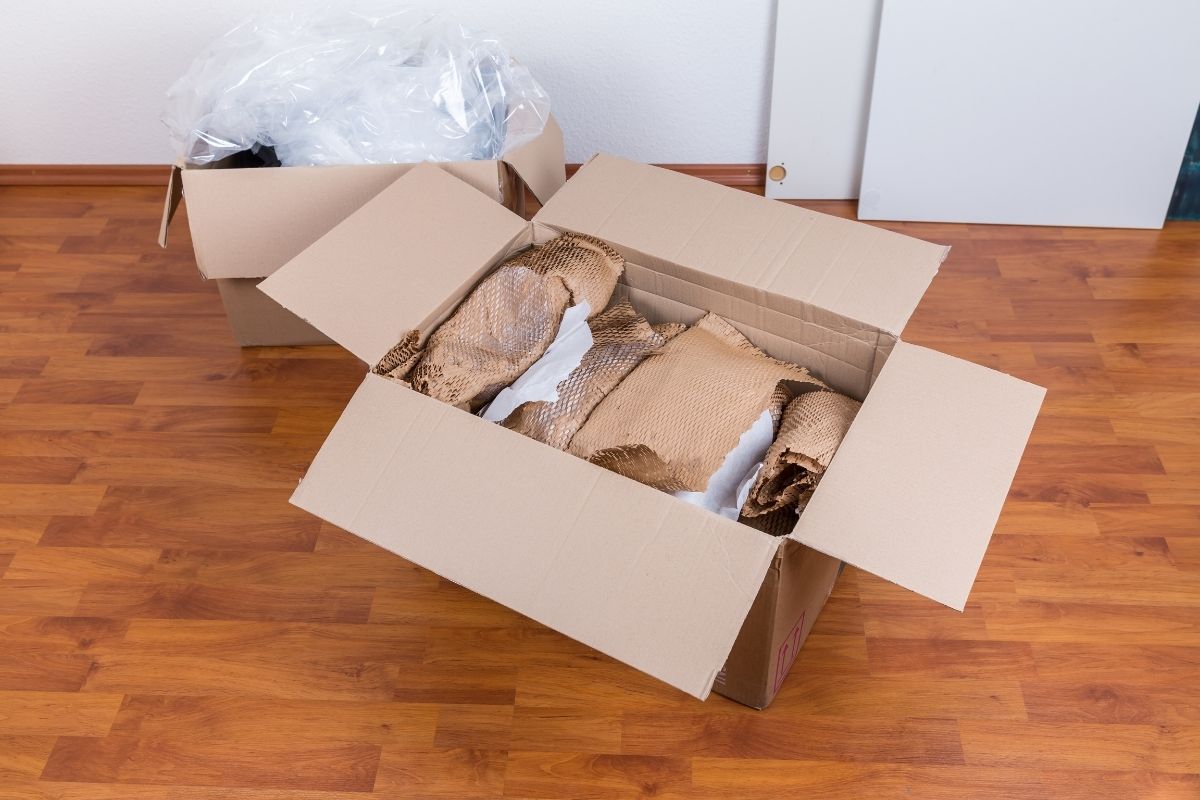
When it comes to moving, protecting your breakables is just as important as getting from point A to point B. And if you’re environmentally conscious, you may be wondering how to do it all without plastic overload. That’s where eco-friendly fragile packing comes in.
At White Red Moving & Storage, we believe you don’t have to sacrifice safety to be sustainable. From kitchenware to glass décor, this guide walks you through the best ways to protect delicate items while reducing waste.
A Practical Guide for Packing Fragile Items
Choose the Right Materials for Breakables
Start by gathering materials for breakables that are both protective and sustainable. Reusable options include corrugated paper wrap, biodegradable packing peanuts, and recycled cardboard dividers. Avoid plastic wrap or Styrofoam whenever possible.
Wrapping items in soft cloths, towels, or old newspapers can also reduce the need for single-use supplies while offering strong cushioning.
Smart Wrapping Techniques for Fragile Objects
Each item should be wrapped individually. Use the layering fragile items method by placing heavier items at the bottom and lighter ones on top, with soft padding in between. For extra fragile pieces like glassware, double-wrap and secure with recyclable tape or twine.
5 Steps to Pack Fragile Items Safely and Sustainably
- Wrap each item securely with soft, reusable materials
- Use dividers or cardboard partitions inside boxes
- Layer fragile items with padding between them
- Seal and reinforce boxes with recyclable paper tape
- Add clear labeling to indicate contents and orientation
These steps help ensure your items are protected during transit while following an eco-conscious approach. If you’re not sure where to start, ask us about our guide for packing fragile items with green materials.
Packing Plates and Other Common Breakables
How to Pack Plates for Moving
Stacking plates flat increases the chance of breakage. Instead, pack them vertically like records with padding between each one. Wrap plates with kraft paper or reusable cloth wraps, then place them snugly in a box with reinforced corners.
Tips for Fragile Item Storage
Once packed, fragile items should be stored in a temperature-controlled environment if possible. Avoid stacking heavy boxes on top of breakable containers. For longer-term fragile item storage, mark the boxes clearly and avoid attic or garage spaces that experience extreme temperature swings.
Labeling Tips and Safety During Moving
Proper labeling tips go a long way in preventing damage. Always mark boxes with “FRAGILE” and “THIS SIDE UP” using bold, visible letters. Use color-coded labels or eco-friendly stickers to keep things organized.
Also, share fragile moving safety reminders with your movers—point out which boxes need extra care during loading and unloading to avoid accidental drops or stacking errors.
FAQs About Eco-Friendly Fragile Packing
What are the best sustainable packing materials for breakables?
Recycled paper, cardboard inserts, biodegradable peanuts, and soft fabric wraps are ideal. Avoid plastic bubble wrap and foam whenever possible.
How do I pack fragile items without using plastic?
Use cloth napkins, towels, recycled newspaper, and corrugated cardboard sheets. These offer strong protection and reduce plastic waste.
Can fragile items be stored long-term in eco-friendly materials?
Yes, as long as the materials are dry and the storage space is climate-controlled. Cardboard and kraft paper work well when used correctly.
Move Smarter with Eco-Friendly Fragile Packing
Protecting your valuables doesn’t mean harming the environment. With a few smart swaps and the right techniques, eco-friendly fragile packing makes your move safer and greener. At White Red Moving & Storage, we offer expert help with packing, storage, and transportation—all with sustainability in mind.
Contact us today to schedule a move or request green packing options that fit your needs.