
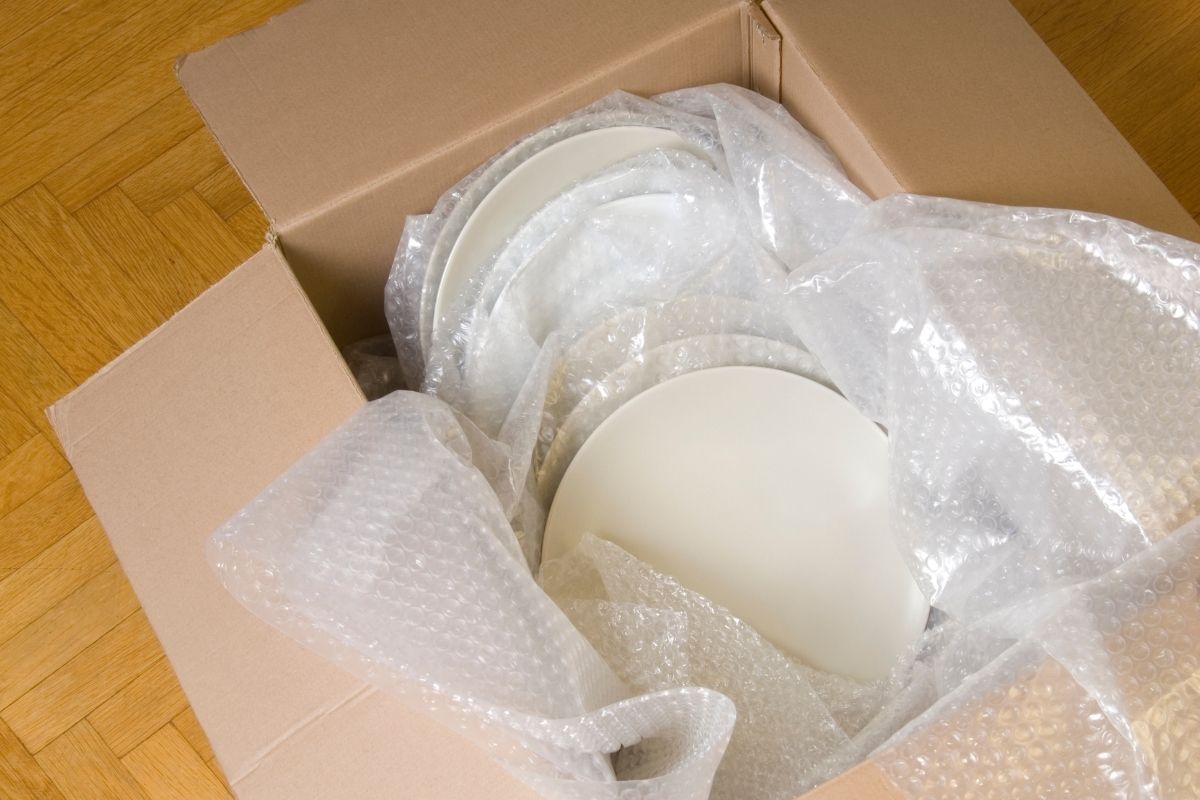
Plates are one of the most fragile and commonly damaged items during a move. But with the right approach, you can protect them from chips, cracks, or worse. Whether you’re packing your kitchen for a cross-town move or storing fine china long-term, learning the best way to do it matters. Today, we’re breaking down packing plates for moving using proven techniques for safety and simplicity.
At White Red Moving & Storage, we specialize in fragile item care. This guide combines professional tips and eco-conscious practices for secure and stress-free moves.
Start With the Right Wrapping Techniques
Wrapping Techniques for Fragile Objects
Before you stack anything, each plate needs individual wrapping. Use packing paper, bubble wrap, or even clean towels to create a protective barrier. Wrap diagonally from corner to corner and secure with recyclable tape or twine.
If you’re packing fine or decorative plates, double-wrap them for extra protection. This is one of the most important wrapping techniques for fragile objects that often gets skipped in a rush.
Layering Plates to Minimize Risk
The Right Way to Stack
Never stack plates flat—this is a common mistake that leads to damage. Instead, pack plates vertically, like records, with padding between each one. This reduces the pressure placed on the bottom layer and better absorbs movement during transit.
Add a thick cushion of crumpled paper or foam peanuts at the bottom and top of the box for support. Following this layering fragile items method greatly reduces the risk of cracks or breaks.
5 Tips for Packing Plates Like a Pro
- Use sturdy boxes designed for dishware or double-walled cartons
- Line the bottom with cushioning before placing any items
- Wrap each plate individually with paper or bubble wrap
- Layer upright with padding in between
- Fill all gaps with soft material to prevent shifting
Whether you’re a DIY packer or using our guide for packing fragile items (add internal link if desired), these tips will protect your kitchenware through the move.
Safe Storage and Labeling
Fragile Item Storage Tips
Once packed, store plates in an upright position in a dry, temperature-controlled area. Avoid placing heavy items on top of boxes labeled “FRAGILE.” For longer-term fragile item storage, consider plastic bins with padding or reinforced cardboard boxes with handles for safer lifting.
Fragile Moving Safety Reminders
Don’t forget to label all boxes clearly with “FRAGILE” and “THIS SIDE UP.” It may seem simple, but these fragile moving safety tips alert everyone—movers included—to handle boxes with care.
FAQs About Packing Plates and Fragile Kitchenware
Can I pack plates without bubble wrap?
Yes. Clean dish towels, packing paper, or biodegradable paper wrap can all work well if used with proper layering and cushion.
How do I know if the box is safe for fragile items?
Choose a box that’s firm, not flimsy, and rated for breakables. If it flexes easily, double-box or reinforce with cardboard panels.
Should I tape plates together?
No. Plates should be wrapped and padded individually to prevent friction, which can cause scratches or chips.
Move Fragile Kitchen Items with Confidence
When it comes to packing plates for moving, the goal is simple: prevent damage while making unpacking easy. With the right materials, smart wrapping, and safe storage, your dishes can make it to your new kitchen in one piece.
Contact White Red Moving & Storage for professional packing services, moving supplies, or customized help with fragile item transportation.